
Why Peer Support Matters for Donor Families
August 17, 2026
One of the most powerful moments of connection a grieving person can experience is realizing someone else understands.
Not intellectually. Not professionally.
But personally — because they have lived it, have seen it, have felt it, and wake up each day with the loss on their mind.
For donor families, grief can feel so lonely. Even when surrounded by the best support system, many struggle to find others who fully understand the emotional complexity that follows organ, eye, or tissue donation. Just to reference a few, many people feel a mixture of heartbreak, pride, confusion, hope, and the lifelong grief journey they are now on.
That’s why peer-to-peer support matters. At Taylor’s Gift, our trained peer support professionals, called Caring Guides, walk alongside donor families, offering understanding, encouragement, and hope from someone who truly understands their journey.
Research by CSTAR at NYU Langone Health on Taylor's Gift’s peer support model found that donor families valued Caring Guide relationships for four reasons: shared lived experience, connection with someone whose own loss mirrored their own, freedom to speak without fear of judgment, and the simple availability of someone willing to listen (Klitenic et al., n.d.). These findings align with broader national research on the effectiveness of peer support: structured peer and group support has consistently outperformed other social networks — including family, friends, faith leaders, community members, and colleagues — in participant satisfaction (Reiter et al., 2024). This research helps clarify what effective emotional support actually looks like: a community where people feel safe to grieve without being rushed or "fixed," and where they can keep speaking their loved one's name and sharing memories of them (Reiter et al., 2024).
In other words, people heal when their pain is acknowledged, and they feel understood.
As a grief support professional, I have seen this firsthand countless times.
I have watched donor mothers connect with one another and finally exhale in a way they hadn't been able to before.
I have watched fathers who felt emotionally disconnected begin to open up after hearing another father describe a strikingly similar experience.
I have watched siblings realize, often for the first time, that they no longer have to carry their grief alone.
Peer support does not erase pain. It does not “fix” loss. But it reminds people they are not isolated in it and creates hope through connection.
At Taylor’s Gift, peer support is one of the most important parts of our mission because healing happens most powerfully in community. And community is created when people feel seen.
Whether through support groups, shared conversations, remembrance events, or simple connection, we want donor families to know: you do not have to navigate this journey by yourself.
The healing journey does not always begin with answers.
Sometimes it begins with being understood.
About the Author
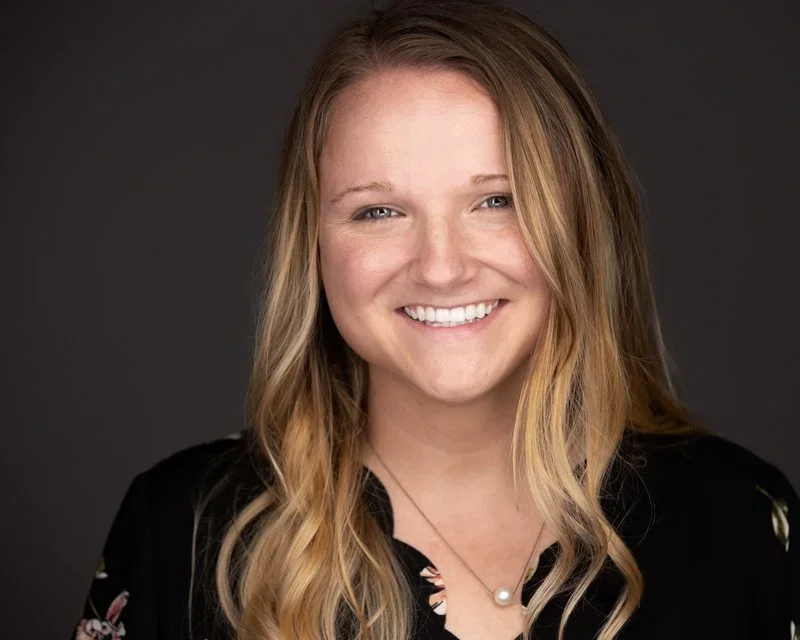
Hannah Showalter, LMSW
Director of Grief Support Services
Hannah has provided compassionate grief and trauma support since 2017. With a Master’s degree in Social Work from the University of South Carolina, Hannah is passionate about creating grief-sensitive communities and thoughtful support programs for individuals and families. Her experience includes developing grief services for children, families, incarcerated individuals, and medical professionals.
NEED GRIEF SUPPORT?
Taylor's Gift provides free grief support for donor families through one-on-one peer support, virtual support groups, workshops, and resources. If you or someone you know could benefit from support, learn more at taylorsgift.org/griefsupport.