
Understanding Organ Donation Myths and Supporting Donor Families
August 26, 2026
As Executive Director of Donate Life Texas, I spend a lot of time talking about the life-saving power of organ, eye, and tissue donation. However, I also spend a lot of time addressing something else: misinformation and myths related to donation.
It's understandable. Organ donation is quite rare – out of 1,000 deaths, about 2 of those individuals can actually donate due to the conditions that must exist for it to occur. Therefore, it is something most people don't think about until it's suddenly personal. In the absence of firsthand experience or education about donation, myths and misinformation have a way of filling the gaps.
Unfortunately, those myths can have life-changing consequences and damage opportunities for a second chance at life for the more than 110,000 Americans currently awaiting a lifesaving transplant. Let me share three myths that I hear most often and offer ground truth.
Myth #1: One of the questions I hear most often is, "If I'm a registered donor, will doctors still try to save my life?"
The answer is an unequivocal yes.
The medical team caring for you is solely focused on saving your life, and donation is considered only after death has been declared. The medical professionals responsible for your care and the individuals responsible for donation and transplantation have entirely different roles and responsibilities.
That myth has persisted for years, but it simply isn't true.
Myth #2: Another common misconception is that I’m too old or too unhealthy to become a donor.
The reality is that age alone does not determine whether someone can be a donor. The oldest known organ donor in the U.S. is Mr. Dale Steele, a 100-year-old World War II veteran from Nebraska who became a donor in February 2026!
Common medical conditions also rarely prevent donation. Every potential donor is evaluated individually, and medical professionals determine what may be suitable for donation. Dale Steele’s story is a powerful reminder: don’t rule yourself out.
Myth #3: A final common myth I often hear is, "My family can make the decision later, so I don't need to register now."
While families are always involved in the donation process, registering your decision provides them with clarity during an incredibly uncertain, difficult time. Rather than asking loved ones to guess what you would have wanted, you've already made your wishes known. That simple act can remove uncertainty and allow families to focus on supporting one another.
When families know and can honor those wishes, they often find comfort in knowing they fulfilled their loved one's final act of generosity.
What continues to inspire me is the extraordinary generosity of families whose loved one was an organ, eye or tissue donor.
Behind every transplant is a family that experienced unimaginable loss and still chose to help others. Their decision has given recipients the chance to celebrate birthdays, watch children grow up, return to work, and simply experience the everyday moments so many of us take for granted.
Why It Matters More Than You Think.
Why does all this matter more than you might think?
Because every myth that goes unchallenged has the potential to influence someone's decision about registering as a donor, or to keep a family from having an important conversation before a crisis occurs.
When people understand the facts, they're more likely to make informed decisions. And while not every registered donor will ultimately donate, every registration represents the possibility of saving up to 8 lives through organ donation and healing dozens more through tissue donation. Every conversation helps ensure loved ones know and can honor those wishes.
In the end, replacing myths with truth isn't just about correcting misinformation. It's about creating more opportunities for hope.
The truth about organ, eye, and tissue donation isn't complicated. It's built on compassion, generosity, and trust.
Trust in our healthcare professionals.
Trust in a fair, regulated transplant system.
And trust that having honest conversations today can create hope for others tomorrow.
The best way to overcome myths isn't simply by correcting misinformation; it's by having conversations.
Talk with your family about your wishes. Ask questions. Learn the facts. Share what you've learned. Then take the next step by registering your decision to be an organ, eye, and tissue donor. It only takes a few minutes, and you can register today at registerme.org or at donatelifetexas.org here in Texas.
At the heart of these conversations is a simple but powerful question:
How Do You Want to Outlive Yourself?
For some, it's the values they pass on to their children. For others, it's the difference they make in their communities. And for those who choose to become organ, eye, and tissue donors, it's the opportunity to leave a legacy that gives others the gift of life.
Because when we replace myths with understanding, more people are empowered to make informed decisions. Every person who says "yes" to donation creates the possibility of hope for someone waiting for a lifesaving transplant, and for the families whose generosity makes those miracles possible.
How you live your life is your legacy. How you choose to outlive yourself is your gift.
A note from Taylor’s Gift:
At Taylor’s Gift, our work begins after donation. We support donor families as they learn to live with grief and navigate what comes next after the loss of someone they love.
We also know that understanding donation matters. Misinformation can create fear and uncertainty for individuals and families making decisions about donation. We’re grateful to Chad Carroll for sharing these common myths and the facts behind them, helping create greater understanding around organ, eye, and tissue donation.
About the Author
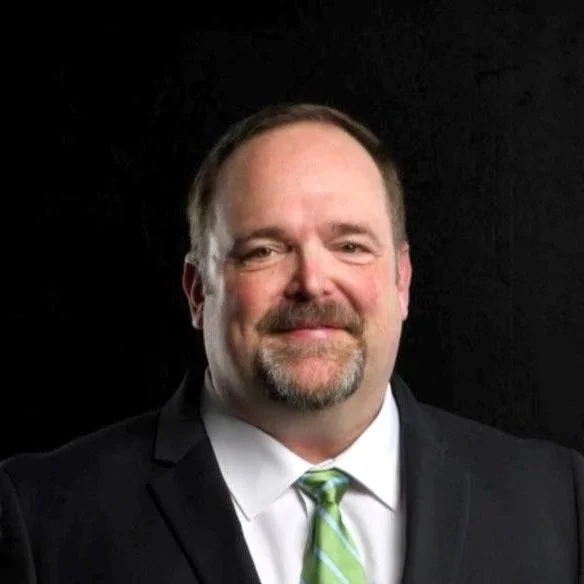
Chad G. Carroll
Executive Director, Donate Life Texas
Donate Life Texas is the nonprofit organization dedicated to helping Texans safely and securely document their donation decisions. The Donate Life Texas Registry is the only official donor registry in the state of Texas.
NEED GRIEF SUPPORT?
Taylor's Gift provides free grief support for donor families through one-on-one peer support, virtual support groups, workshops, and resources. If you or someone you know could benefit from support, learn more at taylorsgift.org/griefsupport.