
The Ripple Effect of Saying Yes
August 12, 2026
After over thirty years of working in the field of organ, eye, and tissue donation, one thing has always proven true to me.
Organ, eye, and tissue donation is never just about one person.
I know that might sound like a catchphrase, but the longer I’ve been involved in this work alongside donors, recipients, donor and recipient families, and the teams who make it all possible, the more I feel the weight of it.
It’s about families. Communities. Second chances. Legacy. And honestly? It’s about humanity showing up at its absolute best - in the middle of its worst moments.
When a family says “yes” to donation, on what is often the hardest day of their lives, the ripple they create is much bigger than most people ever imagine.
Most conversations about donation start and end with organ donation, and those gifts are extraordinary. One organ donor can save up to eight lives. Eye donation can provide sight to two individuals. But tissue donation? That’s where the reach becomes almost hard to comprehend.
Statistically, through eye and tissue donation, a single donor can enhance the lives of more than 75 people. At our organization, Solvita, we see one tissue donor impact well over 125 lives on average. Think about that for a moment…bone grafts that help someone walk again after cancer or trauma. Skin grafts that give a burn survivor a second chance. Heart valves that allow for a childhood to be lived. Corneas that restore sight.
Tissue donation is quietly transforming lives every single day; in ways most people never hear about. And yet, it’s often the least understood part of the donation conversation.
People register as donors thinking primarily about organs. Many don’t realize their decision also covers tissue, or how many lives that single decision can touch. One donor family’s “yes” doesn’t just save lives. It restores movement, vision, and hope to dozens of people who may never know their donor’s name but carry a piece of their legacy forward.
Behind every organ or tissue recipient is a family that gets more time together. More birthdays. More memories. More ordinary evenings that once felt like they might run out.
And behind every donor? A family whose act of generosity keeps creating hope, long after their loss.
One of the things I find most moving about this work is watching donor families transform tragedy into purpose. Grief doesn’t disappear. It doesn’t shrink or fade on a predictable schedule. But many families find something meaningful in knowing their loved one’s story didn’t end. It’s still unfolding in someone else’s life.
Many donor families report a real sense of meaning and legacy through donation, especially when they feel supported and not forgotten along the way.
That support matters so much.
Because here’s the truth: saying “yes” to donation doesn’t make grief easier. Donor families carry a profound and lifelong loss. That’s exactly why organizations like Taylor’s Gift are so important. They provide free grief support to donor families across the country.
Families shouldn’t feel forgotten once the donation is done. They should feel what they are: appreciated, honored, supported, and remembered. I also want to mention the importance of education for a second, because misinformation still gets in the way. Even today, I hear from people who worry that being a registered donor means doctors won’t fight as hard to save them. Or that they’re “too old” or “too sick” to donate. I understand where those fears come from, but they’re not true. The medical team working to save a patient’s life has nothing to do with the transplant or recovery team. They are separate.
Donation is only considered after every possible lifesaving effort has been made. Eye and tissue donation, specifically, have an even broader eligibility window than most people realize. Many more people can donate eyes and tissue than those who can donate organs.
Education matters. Because education, quite literally, saves lives and restores them.
Right now, more than 100,000 people in the United States are waiting for a lifesaving organ transplant. And millions more benefit each year from tissue transplants with procedures so common they happen in operating rooms across the country every single day, often without patients even realizing their recovery depended on a donor’s gift.
That’s not a statistic. Those are real people with families, histories, and people who love them who are waiting and hoping.
We can’t erase the pain that donor families carry. But we can honor what they’ve given by continuing to support them, educate our communities about the full scope of donation — organs, eyes, and tissue — and advocate for compassionate care from the very first conversation.
What moves me most, after all these years, is this: Even in moments of unimaginable loss, people still choose to give. They choose compassion. They choose generosity. They choose hope. And that ripple effect? It changes far more lives than most people ever know.
About the Author
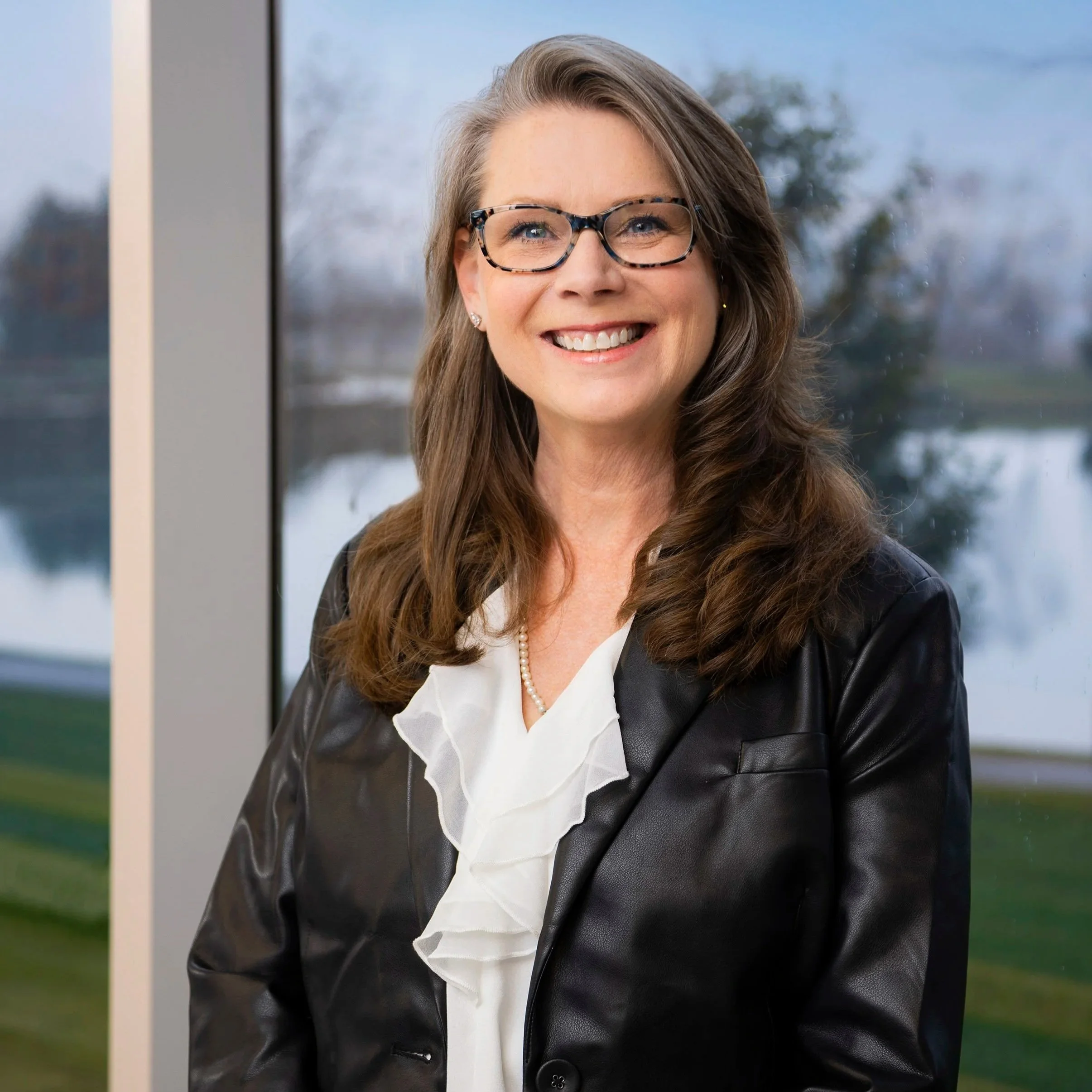
Ronda Horstman
Chief Recovery Services Officer, Solvita
Ronda has worked in organ and tissue donation since 1996, serving in roles across recovery, quality, training, distribution, and executive leadership. She is a Certified Tissue Banking Specialist and an active leader within the American Association of Tissue Banks and Donate Life America.
Read her full bio here.
NEED GRIEF SUPPORT?
Taylor's Gift provides free grief support for donor families through one-on-one peer support, virtual support groups, workshops, and resources. If you or someone you know could benefit from support, learn more at taylorsgift.org/griefsupport.