
Men Grieve, Too: Why Asking for Support Matters
October 14, 2026
I came to Taylor's Gift the way many people do. Someone I loved died, and I didn't know what to do next.
My wife, Connie, died in August 2024. For weeks afterward, I was in shock. I looked for anything that would numb the pain. And I kept turning the same question over and over in my head: What could I have done to prevent her death? I was angry. I was confused. I didn't know what to do.
I say that plainly because I want grieving men to hear it plainly. If you've lost your wife or someone you love, I want you to know I've been where you are. Not near it. In it.
Men Need Grief Support, Too
As men, many of us grow up believing we're supposed to be strong, hold things together, and handle our problems on our own.
When someone we love dies, those expectations don't disappear. Sometimes we deal with loss by not dealing with it at all. We bury ourselves in work, drink it down, withdraw from the people who care about us, or get angry at the wrong people.
I understand that. I've done it myself.
But grief doesn't go away because we refuse to talk about it. Sometimes the strongest thing a man can do is admit he's hurting and let someone walk alongside him.
Finding Support When I Needed It Most
Taylor's Gift contacted me about grief support, and I accepted. They connected me with Heidi, who became my Caring Guide, and I joined their grief support groups.
I want to be honest about this part, too. I didn't arrive with answers. I arrived as a man who was falling apart.
The people at Taylor's Gift met me there. They didn't expect me to have the right words. They listened, and they gave me room to grieve. Over time, the falling apart became something I could carry instead of something that carried me.
I still miss Connie. I still carry that loss every day. But I'm learning to live with it, and that has made all the difference.
From Receiving Support to Supporting Others
This isn't the first time in my life I've sat with men in crisis.
Years ago, when I lived in Spokane, Washington, I mentored veterans in a court diversion program. I attended court with them and met with them every week. Once a month, we gathered for dinner, fellowship, and training. Later, I completed a peer support specialist course.
Those men were coming out of combat, addiction, and the court system. They taught me that the job of the person sitting across from someone who's struggling isn't to fix them. It's to stay.
Today, I volunteer as a men's grief support group facilitator at Taylor's Gift, meeting with grieving men in virtual groups and one-on-one conversations. I'm also completing Taylor's Gift's peer support specialist training to become a Caring Guide.
It's meaningful work because I know what it's like to be on the other side of that conversation.
You Don't Have to Carry Grief Alone
When Taylor's Gift asked to share my story, I said yes because I kept thinking about the men who won't ask for help. Men like me, who'd rather sit alone with a bottle than admit they're drowning. If my story gets one of those men to pick up the phone, that's worth more than my pride.
Here's what I want you to know: You can be strong and still need support. You can love someone deeply, miss them every day, and admit you don't know how to move forward. Asking for help doesn't mean you've failed.
I don't have a method to sell you. I have my own grief, my own mistakes, and the stubborn belief that no man should have to sit alone in the worst weeks of his life.
If you're in those weeks now, with the shock, the anger, the confusion, and the not knowing what to do, I know that country. I've walked it. And I'm still here to walk it with you.
About the Author
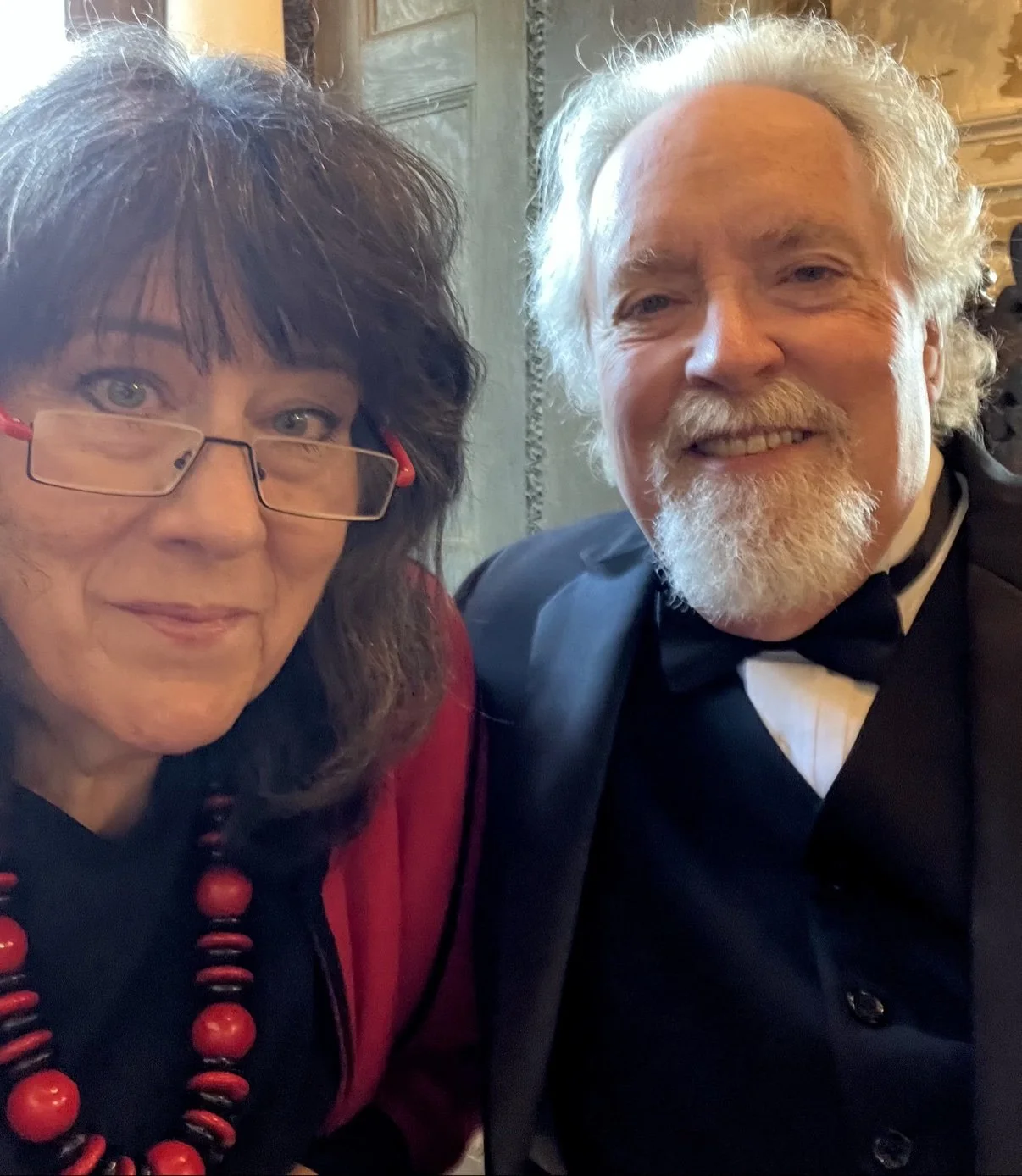
Mason Petit
Volunteer Grief Support Group Facilitator, Taylor's Gift Foundation
After losing his wife, Connie, Mason Petit struggled to find his way through grief. Now a volunteer grief support group facilitator at Taylor’s Gift, he shares how accepting support changed his journey and why no man should have to grieve alone.
NEED GRIEF SUPPORT?
Taylor's Gift provides free grief support for donor families through one-on-one peer support, virtual support groups, workshops, and resources. If you or someone you know could benefit from support, learn more at taylorsgift.org/griefsupport.